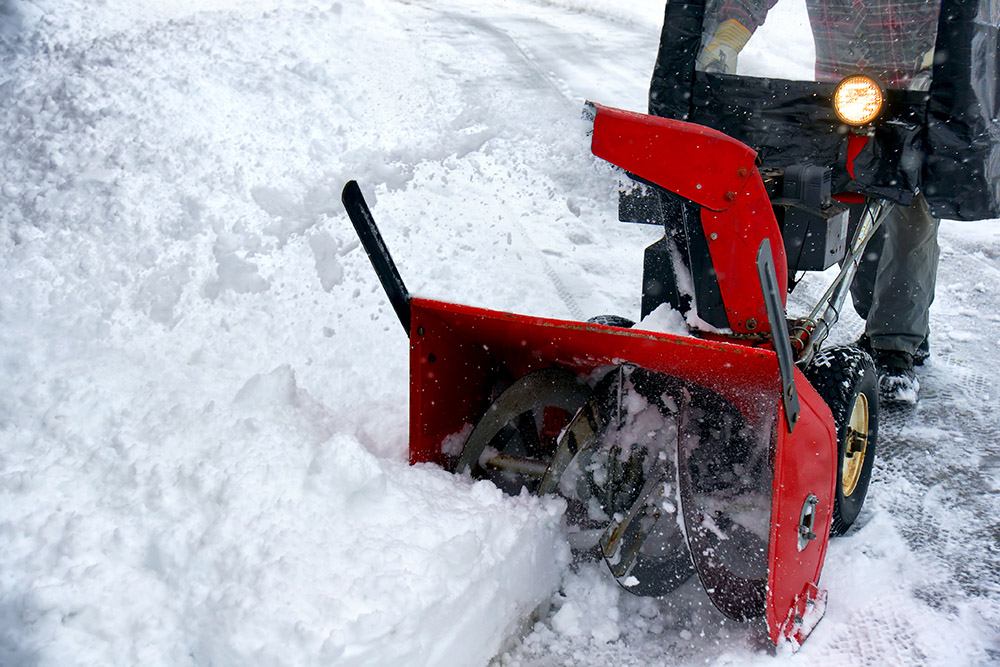
The arrival of winter brings picturesque snowfalls, but for homeowners, it also signals the demanding chore of clearing the driveway. While manual shoveling is a labor-intensive task, a snowblower transforms this arduous work into a manageable process. However, operating a snowblower effectively and safely requires more than just pulling a starter cord. The top things to consider when snowblowing your driveway encompass a spectrum of factors, from pre-season planning and equipment selection to operational safety, technique, and environmental mindfulness. Jason Snyder of Maine explains that a comprehensive understanding of these elements not only ensures a clear path but also extends the life of your equipment and protects your property and physical well-being.
Pre-Season Preparation and Equipment Selection: Laying the Groundwork for Winter Success
Effective snow removal begins long before the first flake falls. The preparatory phase involves selecting the appropriate machinery and making the driveway area “winter-ready.”
Choosing the Right Snowblower for Your Needs
Not all snowblowers are created equal, and selecting the correct type is paramount to efficiency and effectiveness. The primary distinction lies between single-stage, two-stage, and three-stage machines.
• Single-stage snowblowers use a single, fast-spinning auger to collect and throw snow in one motion. They are best suited for small, flat, paved driveways with light to moderate snowfalls (typically up to 8-10 inches) and should never be used on gravel surfaces, as the auger can pick up and eject rocks.
• Two-stage snowblowers incorporate an auger to gather snow and an impeller (a high-speed fan) to blow it through the chute, providing more power and throwing distance. These are ideal for larger or sloped driveways and can handle deep, heavy, or icy snow on both paved and gravel surfaces when adjusted properly with skid shoes.
• Three-stage snowblowers add an accelerator to the two-stage system, allowing them to handle even the heaviest, wettest snow loads efficiently, making them suitable for very large areas and commercial properties.
Key features to consider include clearing width (wider reduces passes), engine power, adjustable chute direction and pitch, and an electric start option for cold mornings.
2. Preparing Your Driveway Before the Snow Arrives
A critical pre-season task is to “harden” the driveway and remove potential hazards.
• Inspect and repair: Check for cracks, potholes, or uneven surfaces. Snow and ice can exacerbate damage over the winter.
• Improve drainage: Ensure gutters and downspouts are clear and redirect water away from the driveway to prevent dangerous icy patches.
• Clear debris: Walk the entire area and remove all obstacles that the snowblower might encounter. Common culprits include doormats, newspapers, sticks, toys, garden hoses, and rocks.
• Mark boundaries: Use bright markers or stakes to outline the edges of your driveway, especially near curbs, lawns, and landscaping. This guides you in low-visibility conditions and prevents accidentally veering off the paved surface, which can damage the machine, the lawn, or underground sprinkler heads.
• Apply a sealant or pre-treatment: Applying a sealant in the early fall protects the driveway surface. Before a snowfall, applying a brine solution or driveway-safe de-icer can prevent snow from bonding to the surface, making removal much easier.
Pre-Operation Checks and Safety Gear: Prioritizing Personal Safety and Machine Readiness
Every time you prepare to use your snowblower, a quick series of checks and the adoption of safety measures are non-negotiable for injury prevention and efficient operation.
1. Conducting a Pre-Use Equipment Inspection
Before starting the engine, confirm the machine is in good working order.
• Fuel and oil: For gas models, ensure adequate, fresh, stabilized fuel and the correct oil level. Always refuel the machine outdoors when the engine is cold to prevent fire hazards.
• Hardware check: Inspect shear pins (designed to break under stress to protect the auger/gearbox), belts, skid shoes, and the scraper blade. Have replacement parts like extra shear pins readily available, as they often break during operation.
• Tire pressure: Check the tires for proper inflation if they are the inflatable type.
• Lubrication: Consider applying a non-stick spray or wax to the inside of the chute and the auger housing to prevent wet snow from clogging the system.
2. Dressing for the Job: The Right Attire for Safety and Comfort
Operating a snowblower is physical work in cold, harsh weather. Proper attire is crucial for preventing frostbite, overexertion, and accidents.
• Layered clothing: Wear warm layers that can be adjusted as you work to avoid overheating.
• Protective gear: Always wear safety glasses or protective eyewear to shield your eyes from potential projectiles like ice chunks, rocks, or debris. Insulated, waterproof boots with aggressive tread are essential for stability on slippery surfaces. Wear thermal gloves or mittens to keep hands warm and maintain a firm grip on the controls.
• Avoid loose items: Crucially, never wear loose-fitting clothing, such as unwrapped scarves or dangling drawstrings, that could get caught in the machine’s moving parts.
3. Health and Awareness Considerations
Snow removal is strenuous. Individuals with heart conditions, back problems, or other medical concerns should check with a doctor before undertaking this activity. Be aware of the signs of overexertion, such as shortness of breath or a racing heart, and take frequent breaks indoors to warm up and hydrate. Never operate a gas-powered snowblower in an enclosed area like a garage to avoid carbon monoxide poisoning.
Effective Snowblowing Techniques and Strategy: Maximizing Efficiency and Avoiding Hazards
A good operational plan and technique can make the task faster and prevent doing the same work twice.
1. Timing and Planning the Clearing Pattern
Timing is a key factor in efficiency.
• Start early and often: It is far easier on you and your machine to clear snow when it reaches a depth of 3-4 inches, rather than waiting for a foot or more to accumulate and become compacted.
• Check the wind: Always work with the wind when possible, or start in the upwind direction and work across the driveway. Blowing snow against the wind will simply blow it back onto the area you just cleared.
• Plan where to discharge snow: Decide beforehand where the snow will pile up. Direct the chute away from buildings, cars, people, and areas you’ve already cleared. Avoid blowing snow into the street, which creates a dangerous condition for motorists and is often illegal per local ordinances. Ensure piles are away from fire hydrants and storm drains.
• Choose a pattern:
◦ Straight passes: For long, rectangular driveways, work lengthwise in overlapping rows, pushing snow to one side of the driveway.
◦ Circular pattern: If there is no wind, you can work in a circular pattern, keeping the chute pointed outward to throw snow into the yard.
2. Operating the Machine Safely and Efficiently
Slow and steady operation is key to avoiding clogs and maximizing throwing power.
• Adjust skid shoes for surface type: Set the skid shoes lower for paved driveways and higher for gravel driveways to avoid picking up stones or scraping the surface.
• Manage speed: Run the engine at full RPM, but adjust your ground speed (walking speed) to match the snow conditions. Slower speeds are necessary for heavy, wet snow to prevent overloading the machine.
• Clear clogs correctly: The most important safety rule: Never use your hands to clear a clogged auger or chute. Turn the machine off, wait at least 10 seconds for all moving parts to stop completely, and use the provided clean-out tool or a broom handle to remove the obstruction.
• Dealing with the end-of-driveway pile: The heavy, compacted snow left by municipal snowplows is the most difficult to clear. Save this for last and tackle it in thin layers.
Post-Operation Maintenance and Environmental/Legal Considerations
Your job isn’t done when the driveway is clear. Proper post-use care ensures the machine is ready for the next snowfall.
1. Immediate Aftercare
• Wipe down: After each use, wipe down the snowblower, especially the auger housing and chute, to prevent snow and salt residue from sitting and causing rust.
• Refuel (if needed) and cool: If you need to refuel, let the engine cool down completely first, and then refuel outdoors.
• Apply de-icer: After clearing, apply a driveway-safe de-icing product like calcium magnesium acetate (CMA) or sand for traction, avoiding harsh rock salt that can damage concrete and nearby plant life.
2. Off-Season Storage and Maintenance
At the end of the winter season, proper storage is crucial.
• Drain fuel: Run the engine until it is out of gas, or use a siphon to empty the tank. Stale fuel is a primary cause of starting problems the following season.
• Lubricate and store: Follow the owner’s manual for all lubrication points and consider using fogging oil for internal engine parts. Store the machine in a dry, covered area away from the elements.
3. Legal and Neighborly Etiquette
Be a good neighbor and citizen. Many municipalities have ordinances against blowing snow into public streets or onto a neighbor’s property. Plan your discharge pattern accordingly to avoid fines or disputes. Keep children and pets away from the area of operation for their safety.
By considering these top factors—from choosing the right equipment and preparing the area to practicing safe, efficient techniques and performing regular maintenance—homeowners can navigate winter snowfalls with confidence and keep their driveways safely clear throughout the season.