Driving in the snow presents a unique and formidable challenge, transforming the familiar act of commuting into an exercise of heightened awareness, preparedness, and skill. The serene beauty of a winter wonderland quickly fades when a vehicle begins to lose traction, a reality underscored by statistics showing that winter weather conditions are a factor in nearly half a million crashes annually in the United States alone. While avoiding non-essential travel is the safest option, for many, winter driving is an unavoidable necessity. Success and safety on snowy or icy roads depend not just on a vehicle’s capabilities, but primarily on the driver’s meticulous preparation and mastery of specific techniques. In this post, Jason Snyder of Maine will outline the top ten essential things to consider when driving in the snow, providing a detailed guide to navigating winter’s most treacherous conditions safely.
1. Prioritize Proper Vehicle Preparation, Starting with Tires
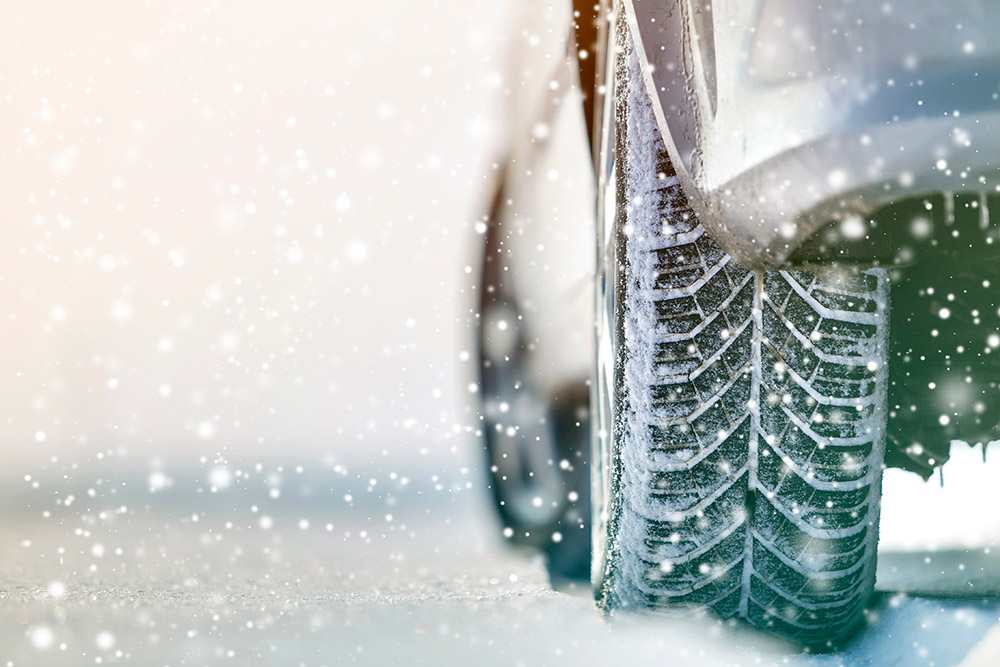
The single most critical factor in winter driving traction is the condition and type of your vehicle’s tires. They are your only point of contact with the road, and their ability to grip the surface is paramount. Many drivers mistakenly believe all-season tires are sufficient for heavy snow, but winter tires offer a significant advantage.
Winter tires are crafted from a specialized rubber compound that remains flexible in cold temperatures (below 45°F or 7°C), unlike all-season rubber which hardens and loses grip. Furthermore, they feature deeper, more aggressive tread patterns designed specifically to channel away snow and slush, providing superior traction and reducing the risk of skidding. The tread depth on any tire used in winter conditions should be checked regularly, ideally maintaining at least 3mm (about 4/32 of an inch) of depth, well above the legal minimum.
Beyond the type of tire, maintaining correct tire pressure is vital. Cold weather causes air to contract, leading to a drop in tire pressure. Underinflated tires can compromise handling and fuel efficiency, so pressure should be checked at least once a month when the tires are cold. The correct pressure can be found on a sticker in the driver’s side door frame or in the owner’s manual, not the maximum pressure listed on the tire wall. In some extreme conditions or regions, local regulations may even mandate the use of snow chains or approved alternatives like AutoSock. Investing time in tire preparation can mean the difference between a safe journey and being stranded.
2. Conduct Comprehensive Pre-Season Vehicle Maintenance
A vehicle breakdown in freezing temperatures is not just an inconvenience; it can be life-threatening. Before winter arrives, a thorough maintenance check is essential to ensure all systems are in top working order.
• Fluids: Ensure all vital fluids are at appropriate levels and the correct type for cold weather. This includes engine oil (a thinner winter-grade oil may be recommended), brake fluid, transmission fluid, and perhaps most importantly, the coolant/antifreeze mixture. The coolant should be rated for sub-zero temperatures to prevent the engine from freezing. Top up the windshield washer fluid reservoir with a high-quality de-icing fluid to prevent it from freezing on the windshield.
• Battery: Cold weather significantly reduces battery power, while the engine requires more current to start. Have the battery and charging system tested by a mechanic. Inspect terminals for corrosion and ensure connections are tight. A battery more than three years old should be checked carefully and potentially replaced as a preventative measure.
• Wipers and Lights: Worn-out wiper blades are ineffective against snow and ice. Replace them if cracked or worn, and consider installing heavy-duty winter blades. Ensure all lights—headlights, taillights, brake lights, turn signals, and emergency flashers—are clean and functioning correctly so you can see and be seen.
3. Plan Your Journey and Check Conditions Before You Leave
Impulsive travel plans are a recipe for disaster in winter. The key to safe winter driving often involves the decision not to drive at all.
• Monitor Weather Forecasts: Check the local weather forecast and road conditions for your entire route before setting out. Heed severe weather warnings and avoid travel during heavy snowstorms or blizzards if possible.
• Plan Your Route Wisely: Stick to major roads and highways whenever possible. These routes are prioritized by snowplows and are more likely to be gritted or salted. Avoid less-traveled rural roads, steep hills, and exposed areas if you can.
• Share Your Plans: Inform someone of your route, destination, and expected arrival time. This simple step ensures that if something goes wrong, rescuers have a starting point for their search.
• Allow Extra Time: Trips will invariably take longer in snowy conditions. Plan for a slower pace to avoid the stress of being late, which can lead to rushed decisions and risky driving behavior.
4. Pack a Comprehensive Winter Emergency Kit
In the event you get stuck or break down despite your preparations, a well-stocked emergency kit can be a lifesaver. This kit should be a permanent fixture in your vehicle during the winter months.
Key items to include are:
• A snow shovel, ice scraper, and snow brush.
• Abrasive material like sand, road salt, or non-clumping cat litter to provide traction under spinning wheels.
• Warm blankets, extra hats, gloves, and coats for all passengers.
• Non-perishable snacks and bottled water.
• A flashlight with extra batteries or a wind-up torch.
• A first-aid kit.
• Jumper cables or a portable battery booster.
• A fully charged mobile phone and car charger.
• Warning devices like flares, a reflective triangle, or a brightly colored cloth to tie to your antenna to signal distress.
Keeping the gas tank at least half-full is also crucial, providing necessary fuel to run the engine periodically for warmth if stranded, and preventing fuel lines from freezing.
5. Clear All Snow and Ice from the Entire Vehicle
Before putting the car in drive, take the necessary time to completely clear the vehicle of snow and ice. This is not just about having a clear windshield; it is a matter of safety and, in many places, the law.
Clear the:
• Windows and Mirrors: Ensure 100% visibility from all windows and mirrors. Use the defroster and a scraper, wiping the inside with a clean cloth if needed to remove condensation.
• Roof, Hood, and Trunk: Snow left on the roof can slide down onto the windshield when you brake, causing a sudden and total loss of visibility. Snow flying off the hood or roof can also become dangerous projectiles for other drivers.
• Lights and Sensors: Make sure headlights, taillights, and turn signals are clear so you can be seen. Clear snow and dirt from any safety sensors (blind spot detectors, backup cameras, etc.) to ensure they function properly.
6. Adopt a “Slow and Gentle” Driving Technique
The most common cause of winter accidents is driving too fast for the conditions. The posted speed limit is for ideal dry conditions, not snow or ice. The fundamental rule of winter driving technique is to be slow and smooth with all inputs: acceleration, braking, and steering.
• Accelerate Slowly: Apply the gas pedal gently to regain or maintain traction and avoid spinning your wheels, which only digs you in deeper. Some manuals or automatic cars have a “winter mode” or recommend starting in second gear to reduce wheel slip.
• Brake Gently and Early: You need significantly more distance to stop on slippery surfaces—between 3 and 10 times the normal distance. Begin braking much earlier than usual and use gentle, steady pressure on the brake pedal.
• Steer Smoothly: Avoid sudden, jerky steering movements that can destabilize the car and cause a skid. Plan turns in advance and brake before entering a turn, not during it, maintaining a steady or slightly accelerating speed through the corner.
7. Increase Following Distance and Avoid Cruise Control
Maintaining a safe buffer zone around your vehicle is non-negotiable in winter. Following too closely (tailgating) is a significant risk multiplier due to extended stopping distances.
• Increase Following Distance: Instead of the typical three-to-four second rule for dry pavement, increase your following distance to at least eight to ten seconds in snow and ice. This margin of safety provides essential reaction time.
• Avoid Cruise Control: Never use cruise control on snowy, icy, or wet roads. If your tires lose traction and the system tries to maintain speed, it can cause sudden acceleration or instability that leads to a spin out. You need full manual control to react instantly to changing conditions.
8. Understand and Practice Skid Recovery Techniques
Even with precautions, skids can happen. Knowing how to react calmly and correctly is vital for regaining control. The general rule is to steer in the direction you want the front of the car to go.
• Rear-Wheel Skid (Oversteer): If the rear of your car starts to slide out (fishtailing), steer gently into the direction of the skid. For example, if the rear slides right, steer right. Ease off the accelerator and be prepared for a potential counter-skid as the car straightens out, adjusting steering as needed.
• Front-Wheel Skid (Understeer): If your front wheels lose grip and the car continues straight instead of turning, ease off the accelerator and slowly turn the steering wheel back towards straight until the tires regain traction. Avoid braking or steering harder, as this is ineffective.
• Braking During a Skid:
◦ With Anti-lock Brakes (ABS): Do not pump the brakes. Apply firm, continuous pressure to the pedal. You will feel a pulsing sensation, which is the system working—this is normal. Continue to steer around the obstacle.
◦ Without ABS: Pump the brakes gently and quickly to slow down without locking the wheels.
9. Maintain Situational Awareness of Specific Hazards
Certain areas and conditions present increased risk in winter and require heightened vigilance.
• Black Ice: This thin, transparent layer of ice can make a road appear merely wet or even dry. It commonly forms on bridges, overpasses, shady spots, and infrequently traveled roads because cold air circulates above and below the surface, causing them to freeze first and thaw last. Be especially cautious in these areas.
• Snow Plows: Give snowplows and sanding trucks plenty of room. They travel slowly, make wide turns, and have limited visibility. Never pass a snowplow on the right, as they often have a wing blade that extends unexpectedly. The road behind the plow is often in better shape than the road in front of it.
• Visibility: Use your low-beam headlights at all times while driving in snow, even during the day, to ensure others see you. Relying on daytime running lights may not activate rear lights. Use fog lights only if visibility drops below 100 meters and turn them off when conditions improve, as brights can be blinding in snow.
10. Know What to Do if You Get Stuck or Stranded
Despite the best preparation, getting stuck in deep snow is a possibility. The primary rule if stranded is simple: Stay with your vehicle. Your car offers temporary shelter and makes it significantly easier for rescuers to locate you. Walking in a severe storm can lead to disorientation and hypothermia.
• Be Visible: Tie a brightly colored cloth (from your emergency kit) to your antenna or window to signal distress. Keep the interior dome light on at night; it uses minimal power.
• Clear the Exhaust Pipe: This is a critical step to prevent deadly carbon monoxide gas from entering the cabin. Periodically check and clear the exhaust pipe of any snow or mud.
• Conserve Fuel and Stay Warm: Run the engine and heater only sporadically—just long enough to remove the chill, not to stay consistently warm. This conserves fuel and minimizes carbon monoxide risk. Use blankets, floor mats, or newspapers for insulation.
• Don’t Spin Your Wheels: If stuck, do not spin your tires, as this will only dig you in deeper. Use your shovel to clear snow around the tires and under the car, then place sand, cat litter, or floor mats under the drive wheels for traction. You can try gently rocking the vehicle by shifting between drive and reverse, but check your owner’s manual first as this can damage the transmission in some cars.
Conclusion
Driving in the snow is an inherently risky activity that demands a blend of rigorous preparedness and cautious driving techniques. By addressing the ten considerations detailed in this essay—from equipping your vehicle with the right tires and emergency gear to mastering gentle driving inputs and skid recovery—drivers can significantly mitigate the hazards. While modern vehicle safety features like ABS and traction control are helpful, they do not defy the laws of physics or grant invincibility. The ultimate responsibility for safety rests with the driver’s judgment, patience, and commitment to safe practices. In the world of winter driving, anticipation and caution are your most reliable allies, ensuring that you and your loved ones arrive at your destination safely.