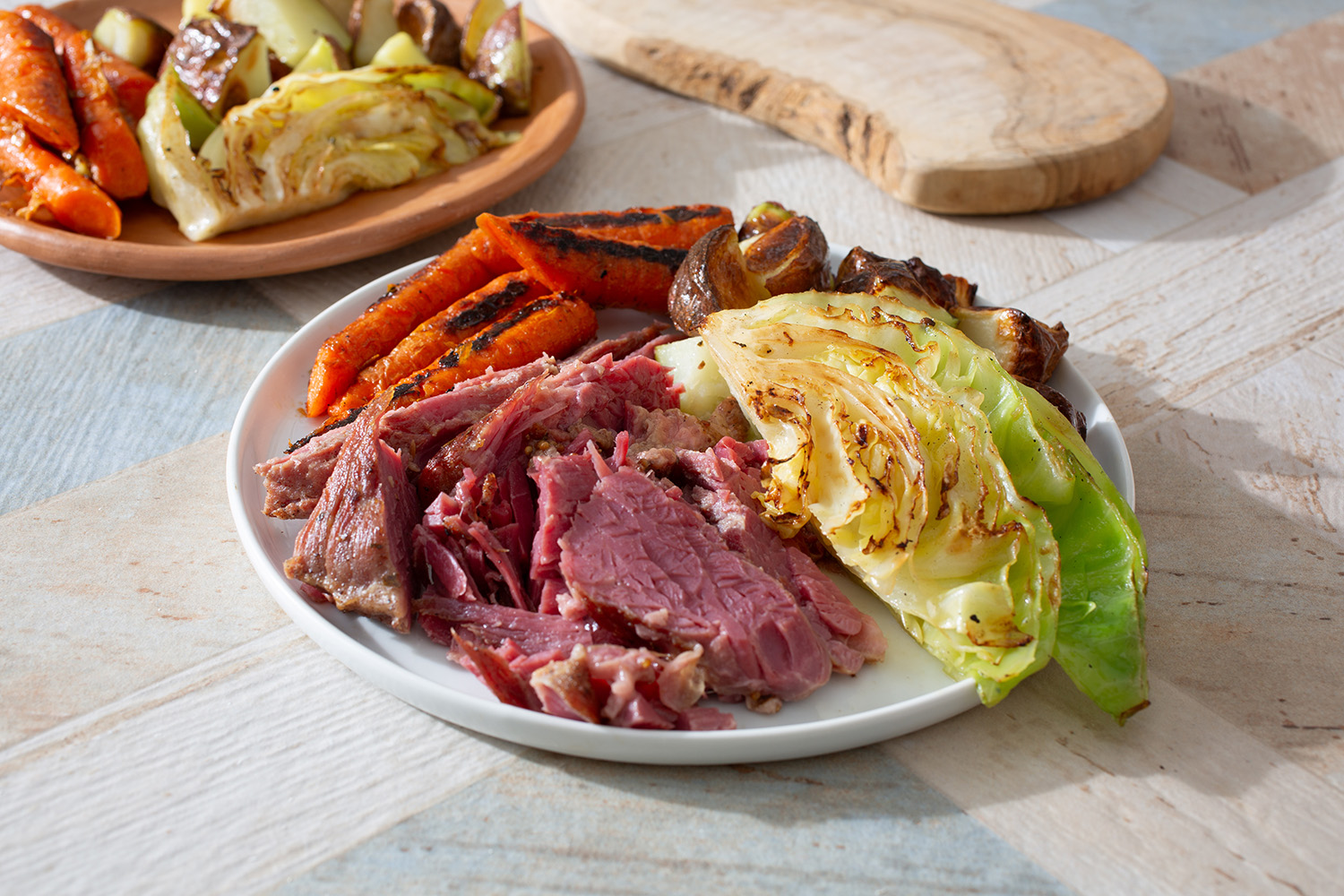
Preparing a spectacular corned beef and cabbage dinner for St. Patrick’s Day is more than just a recipe; it is an annual tradition that celebrates a rich Irish-American heritage through slow-cooked, savory comfort. While the dish is simple at its core, Jason Snyder of Maine points out that achieving that elusive fork-tender texture and perfectly seasoned vegetable medley requires attention to detail—from selecting the right cut of meat to the final, precise slice.
The Foundation: Choosing Your Brisket
The most critical decision you will make happens at the butcher counter. Corned beef is almost always made from beef brisket, which is naturally tough and requires long, moist heat to break down its fibers. You generally have two choices:
• Flat Cut (First Cut): This is the leaner, more uniform option. It is prized for its rectangular shape, which makes it incredibly easy to slice into neat, beautiful slabs for presentation. It is the most popular choice for a traditional dinner platter.
• Point Cut (Second Cut): This cut contains more fat marbling and connective tissue. While it may be slightly harder to slice neatly, it often results in a juicier, more flavorful meat that is perfect for those who prefer a “shreddable” texture.
Pro Tip: Look for a piece that is symmetrical to ensure even cooking, and always check for the included spice packet, though you can supplement this with your own aromatics.
Essential Ingredients
Beyond the beef, a classic St. Patrick’s Day feast relies on a specific set of supporting characters:
• Aromatics: A large yellow onion (quartered), several cloves of garlic, and bay leaves provide the base flavor for the cooking liquid.
• The Liquid: While water is standard, many enthusiasts prefer using a Guinness Stout or a semi-dry white wine like Riesling to add depth and balance the saltiness.
• Vegetables: Stick to hardy root vegetables like Yukon Gold or red potatoes and large carrots. For the cabbage, a standard green head or a savoy cabbage works best, cut into thick wedges.
• Flavor Boosters: A touch of brown sugar and stone-ground mustard can be used as a glaze or added to the broth to cut through the richness of the meat.
Step-by-Step Preparation: The Stovetop Method
While there are many ways to cook corned beef, the traditional stovetop “low and slow” method remains a favorite for controlling the texture of both the meat and the vegetables.
1 Rinse the Meat: Begin by removing the brisket from its packaging and rinsing it thoroughly under cold water. This step is vital to remove excess surface brine; skipping it often results in a dish that is unpleasantly salty.
2 The Initial Simmer: Place the meat in a large Dutch oven or stockpot, fat-side up. Add your aromatics (onion, garlic, bay leaves) and the spice packet. Fill the pot with enough water (or a mix of water and beer) to cover the meat by at least an inch.
3 Cook Until Tender: Bring the liquid to a boil, then immediately reduce to a very low simmer. Cover the pot and let it cook for roughly 50 minutes per pound, or until the meat is fork-tender. For a standard 3-pound brisket, this usually takes about 3 hours.
4 Timing the Vegetables: Do not add the vegetables at the beginning, or they will turn to mush. Add the potatoes and carrots during the last 30 to 45 minutes of cooking.
5 The Cabbage Finale: Add the cabbage wedges in the final 15 minutes. You want them to be tender-crisp and bright green, not grey and overcooked.
Alternative Cooking Methods
If you aren’t tied to the stovetop, modern tools can simplify the process:
• Slow Cooker: Place onions and potatoes at the bottom, top with the beef and liquid, and cook on Low for 8–10 hours. Add the cabbage in the last hour.
• Instant Pot: For those in a hurry, a pressure cooker can deliver tender results in about 90 minutes followed by a 10-minute natural release.
• Oven Roasting: For a different texture, you can bake the brisket in a foil-lined pan at 300°F–325°F for about an hour per pound. This allows you to apply a mustard and brown sugar glaze during the final stages for a caramelized crust.
Serving and Presentation
The way you slice the meat is just as important as how you cook it. Always slice against the grain. If you look closely at the meat, you will see the muscle fibers running in one direction; slicing perpendicular to these fibers ensures every bite is tender rather than chewy.
Serve the sliced beef on a large platter surrounded by the colorful vegetables. A drizzle of the cooking liquid over the top keeps everything moist, and a side of extra-strong horseradish or Dijon mustard provides the perfect sharp contrast to the savory beef.