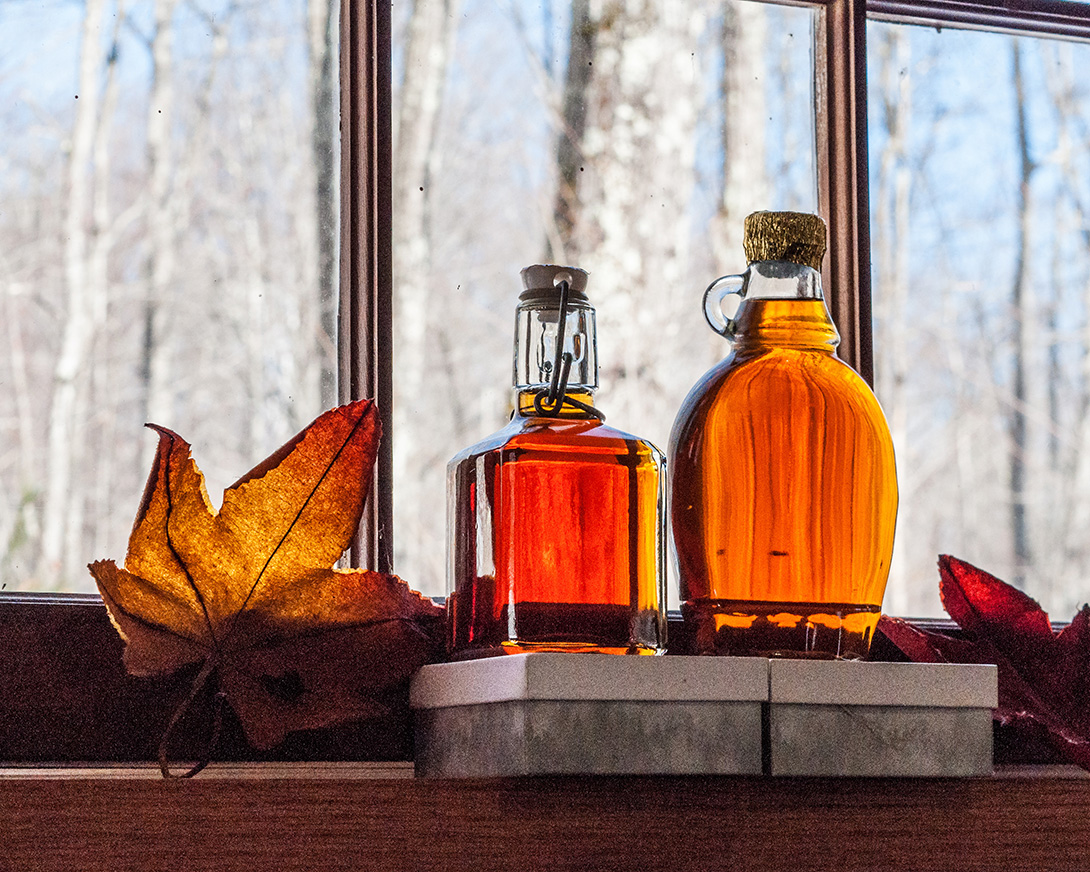
The maple syrup industry in Maine is a dynamic blend of deep-rooted tradition and innovative technology, establishing the state as the third-largest U.S. producer behind Vermont and New York. Valued at an estimated annual economic contribution of over $80 million, this industry is a significant cultural and economic driver for the Pine Tree State. Jason Snyder of Maine points out that its history stretches back centuries to Native American practices, while its future is being shaped by modern technology and the challenges posed by a changing climate.
A Rich History: From Indigenous Staple to Sweet Delicacy
The story of Maine’s maple syrup industry begins with the Wabanaki tribes, who were the first to discover and utilize the sweet sap of the Acer saccharum (sugar maple) and other maple species. For indigenous peoples of the Northeast, maple sugar was a primary sweetener and a vital food source in early spring, a valuable commodity that was often used as currency. They developed ingenious methods, using V-notches in trees, bark or hollowed logs for collection, and hot stones to boil down the sap into a concentrated, shelf-stable sugar.
European settlers learned these time-honored methods from Native Americans, adopting the practice and later introducing metal tools and iron kettles to increase efficiency. By the 1800s, maple sugar was the principal sweetener in North America, as it was a more affordable and locally sourced alternative to expensive, Caribbean-imported cane sugar. The tradition became deeply ingrained in the seasonal rhythms of Maine families, a communal activity that signaled the end of winter and the coming of spring.
The Modern Industry: A Balance of Tradition and Innovation
Today, the Maine maple industry is characterized by a diverse range of producers, from small, multi-generational family farms that view production as a cherished hobby to a small number of very large, high-tech operations in Somerset County that account for the vast majority of the state’s output. The season typically runs from late February to mid-April, when ideal conditions—freezing nights and warming, sunny days—facilitate sap flow.
Modern technology has revolutionized the process, moving beyond the iconic metal buckets (though some smaller producers still use them for tradition or small batches) to extensive networks of plastic tubing that use gravity or vacuum assistance to transport sap directly from the trees to the sugarhouse. This innovation, along with the use of reverse osmosis (RO) machines, dramatically reduces the water content in the sap before boiling, saving significant time, labor, and fuel.
Once in the sugarhouse, the sap is boiled in large evaporators, often wood or oil-fired, a process that concentrates the sugar to the required 66% and develops the syrup’s distinct flavor and color. It takes approximately 40 gallons of sap to produce just one gallon of finished syrup. The finished syrup is then filtered to remove “sugar sand” (natural sediment) and hot-packed into containers. Maine law ensures a high standard of quality, dictating that all syrup sold in the state must meet U.S. Grade A requirements.
Economic and Cultural Significance: More Than Just Breakfast Topping
The maple industry is a vital part of Maine’s rural economy, providing an estimated 805 full- and part-time jobs and contributing significantly to state income. Beyond direct sales, the industry drives substantial agritourism, centered around the annual Maine Maple Sunday event, held the fourth Sunday of March (and often the preceding Saturday).
This beloved festival draws visitors from around the country to hundreds of participating sugarhouses, offering a chance to witness the production process firsthand, sample various maple treats, enjoy hayrides, and participate in family-friendly activities. The event not only supports local producers but also helps educate the public on sustainable farming practices and the cultural heritage of maple production. The versatility of the product is also a point of pride, with producers creating everything from maple butter and sugar to candies, sodas, and even BBQ sauces and bourbon infusions.
The Future of Maine Maple: Navigating Climate and Market
Despite the industry’s growth and optimism (producers collectively expected to grow by 15% between 2021 and 2026), it faces significant challenges, primarily from climate change. The ideal “freeze-thaw” cycle is becoming less predictable due to rising temperatures and extreme weather events like back-to-back droughts, which stress maple trees and impact future sap yields. Some scientists predict the primary “maple belt” may shift northward, making Maine’s Somerset County an even more critical hub.
Producers are adapting by using technology like vacuum systems, which can capture early-flowing sap, and exploring different tree management techniques like forest thinning to give trees more room to grow. Ongoing research and outreach programs by institutions like the University of Maine Cooperative Extension are helping the industry build resilience against these environmental stressors.
Market dynamics also play a role; while demand for pure, organic maple syrup as a natural sweetener is growing, bulk syrup prices have not kept pace with inflation, creating a cost-price squeeze for larger producers. Producers are focusing on direct-to-consumer retail sales and value-added products to enhance profitability.
In conclusion, Maine’s maple syrup industry is a resilient and vital part of the state’s identity, successfully balancing a cherished history with an innovative, forward-looking approach. As it navigates environmental and economic challenges, the industry continues to produce its “liquid gold,” a sweet testament to Maine’s rich agricultural heritage and enduring community spirit.