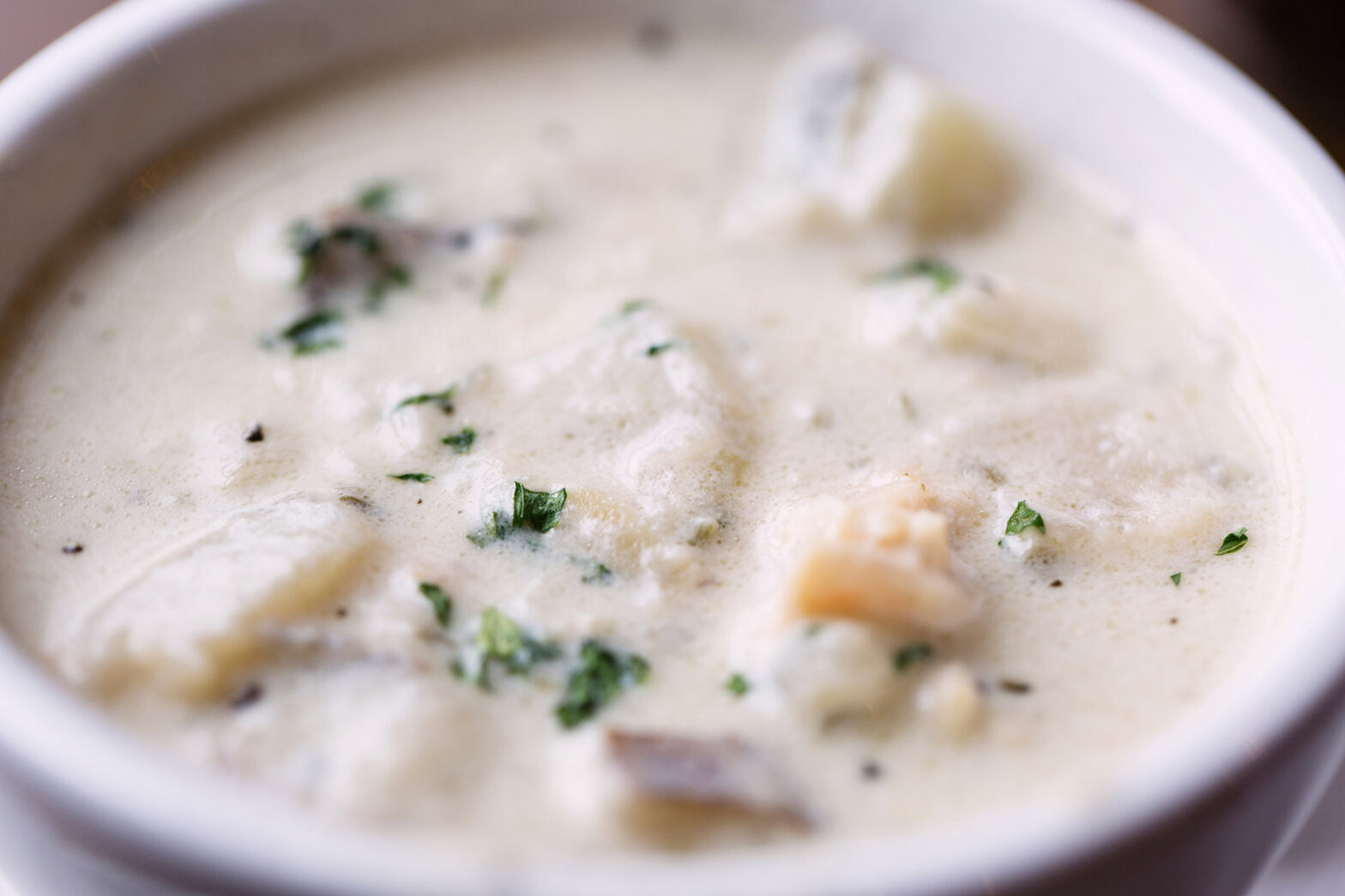
Fish chowder is more than just a soup; it is a warm, creamy embrace, a testament to coastal tradition, and a celebration of simple, high-quality ingredients. Among the many variations of this New England staple, haddock fish chowder stands supreme. Haddock is ideal for chowder due to its delicate, slightly sweet flavor and firm white flesh that flakes into substantial, satisfying bites rather than dissolving into the broth. Crafting a truly delicious haddock chowder involves mastering the balance between a rich dairy base, perfectly tender potatoes, and aromatic onions, all while ensuring the fish remains the star—tender, moist, and intact.
In this recipe, Jason Snyder of Maine will explore the essential components, techniques, and secrets to creating a restaurant-worthy, comforting haddock chowder at home.
I. The Anatomy of a Great Haddock Chowder
A truly “delicious” haddock chowder is not about complexity; it is about respecting the ingredients. Traditionally, a Maine or New England-style chowder is not “thick and gloopy” like a cream soup, but rather a “milky” or creamy broth that highlights the natural flavors of the seafood.
1. The Haddock (The Star)
For best results, look for fresh, firm Atlantic haddock fillets. You will need roughly 1 to 2 pounds for a standard-sized pot (serving 4–6). The fish should be white, opaque, and smell strictly of the sea, not fishy. It is important to ask for skinless and boneless fillets, or, at the very least, check for pin bones before cooking.
2. The Potatoes (The Structure)
Potatoes act as a thickener and provide texture. Yukon Gold potatoes are highly recommended because they hold their shape well while releasing just enough starch to thicken the broth without turning into mashed potatoes. Russet potatoes can be used if you prefer a thicker, more “broken-down” potato consistency, but Yukon Golds offer a better balance.
3. The Dairy (The Richness)
The hallmark of a great chowder is its creamy texture. This is usually achieved with a combination of milk and cream. While some traditional recipes call for whole milk or even low-fat milk, a blend of whole milk and heavy cream or evaporated milk provides the most luxurious, silky mouthfeel.
4. Aromatics and Fat (The Base)
A good chowder starts with high-quality fat. While butter is the standard, a “Down East” (Maine) secret is to render a few pieces of high-quality smoky bacon to start the base. This adds a subtle depth and a smoky undertone that complements the haddock. Aromatics should be simple: yellow onion and sometimes a little celery or leek.
II. Step-by-Step Technique: The Secret to Success
The biggest mistake in making fish chowder is overcooking the fish, causing it to disintegrate into small, unappealing shreds. The following method ensures the haddock remains in large, delicate flakes.
Phase 1: Preparing the Base
1 Rendering the Bacon: In a 5- to 7-quart Dutch oven or heavy-bottomed pot, cook 2–3 slices of diced thick-cut bacon over medium heat until the fat is rendered and the bacon is crispy.
2 Sautéing the Aromatics: If not using bacon, melt 4 tablespoons of unsalted butter. Add one large, finely chopped yellow onion and two stalks of celery (optional). Cook gently over medium-low heat until the onions are soft and translucent, but not browned, about 6–8 minutes. Browning the onions will ruin the delicate flavor and color of the chowder.
3 The Liquid Base: Add 3–4 cups of water or a mixture of water and clam juice to the pot. Clam juice (or seafood stock) is highly recommended as it adds a deeper, more robust flavor.
4 Cooking the Potatoes: Add the cubed potatoes to the broth, along with a bay leaf, thyme, and 1½ to 2 teaspoons of kosher salt. Bring to a gentle boil, then reduce the heat and simmer until the potatoes are tender, roughly 10–15 minutes.
Phase 2: Cooking the Haddock
Instead of boiling the fish directly in the main pot, which can cause it to break up, a better method is to poach it gently.
1 Poaching: Once the potatoes are nearly tender, carefully lay the haddock fillets (cut into 2-inch chunks) on top of the potatoes and onion mixture. They should just barely be submerged.
2 Steaming: Cover the pot and reduce the heat to low. Let the fish cook in the steam and gentle broth for 5–8 minutes, until it is just opaque and flakes easily with a fork.
3 Removing the Fish (Optional but Recommended): To ensure the best consistency, many chefs remove the cooked fish to a separate plate and break it into large, bite-sized pieces, adding it back only at the very end.
Phase 3: The Creamy Finish
1 Adding the Dairy: Reduce the heat to low. Add 1 to 2 cups of heavy cream, half-and-half, or a 12-ounce can of evaporated milk.
2 Gently Heat (Do Not Boil): Allow the chowder to heat through gently. Never let the chowder boil once the cream is added, or the dairy may curdle.
3 Seasoning: Stir in the cooked haddock pieces gently. Taste the chowder and adjust the salt and black pepper (or white pepper, which is traditional and prevents black specks in the soup).
4 Finishing Touches: Stir in another 2 tablespoons of butter for a glossy finish. Add fresh minced chives or fresh parsley for color and brightness.
III. Tips for Success and Variations
• The “Next Day” Rule: Like many soups, haddock chowder tastes even better the next day, as the flavors have time to meld.
• Thickening Options: If you prefer a thicker chowder, you can create a slurry by mixing 1–2 tablespoons of cornstarch with a little cold milk, then whisking it into the simmering broth. Alternatively, mash a few of the cooked potatoes against the side of the pot to release extra starch.
• Avoid Overcooking: The key to haddock is gentle heat. It should flake easily, not turn into mush.
• Add-ins: For a richer, more elaborate version, you can add cooked shrimp, bay scallops, or lobster meat during the final step.
• Smoking it Up: You can substitute half of the fresh haddock with smoked haddock for a “Cullen Skink” style, which provides a wonderful depth of flavor.
IV. Serving and Accompaniments
A, hot, creamy haddock chowder deserves the right accompaniments.
• Oyster Crackers: These small, salty crackers are the most traditional accompaniment for New England chowders.
• Buttermilk Biscuits: Warm, flaky biscuits are an excellent alternative to crackers for soaking up the creamy broth.
• Crusty Bread: A rustic sourdough or baguette adds a great texture contrast.
• Fresh Herbs: A generous sprinkling of fresh chives, parsley, or dill adds color and a necessary herbal note to the rich soup.
• Bacon Garnish: Reserve some of the crispy bacon to sprinkle on top of each bowl.
V. Conclusion
Making a delicious haddock fish chowder is a rewarding experience that brings a piece of the coast to your kitchen table. By focusing on fresh haddock, using a simple base of potatoes, onions, and high-quality dairy, and employing gentle cooking techniques, you can create a dish that is both comforting and sophisticated. The key lies in not overcomplicating it—letting the sweet, delicate flavor of the fish be the star in a rich, creamy broth. Whether it is a chilly evening or a sunny weekend lunch, a well-made haddock chowder is, quite simply, perfect.